Graveyard of the Atlantic Museum
Graveyard of the Atlantic Digital Interactives
Bringing maritime history to life through digital experiences
The Graveyard of the Atlantic Museum had an incredible story to tell—thousands of shipwrecks, powerful storms, and generations of maritime history—but much of it lived in artifacts and written context that could be hard for visitors to fully connect with. The goal was to make that history feel real, immediate, and engaging for a wide range of audiences.
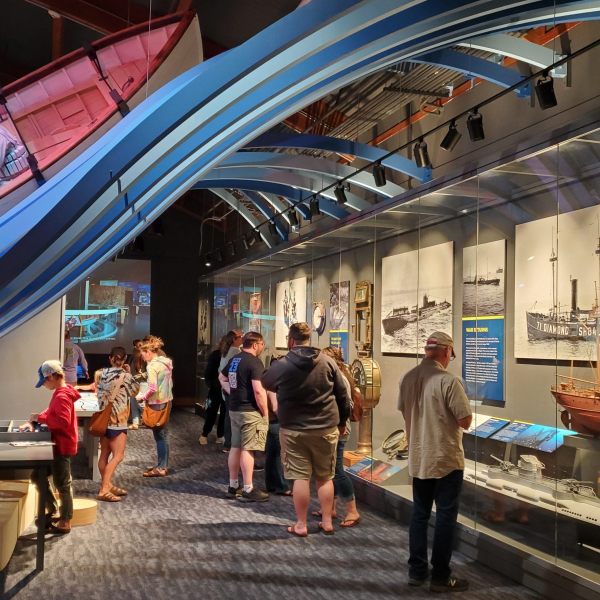
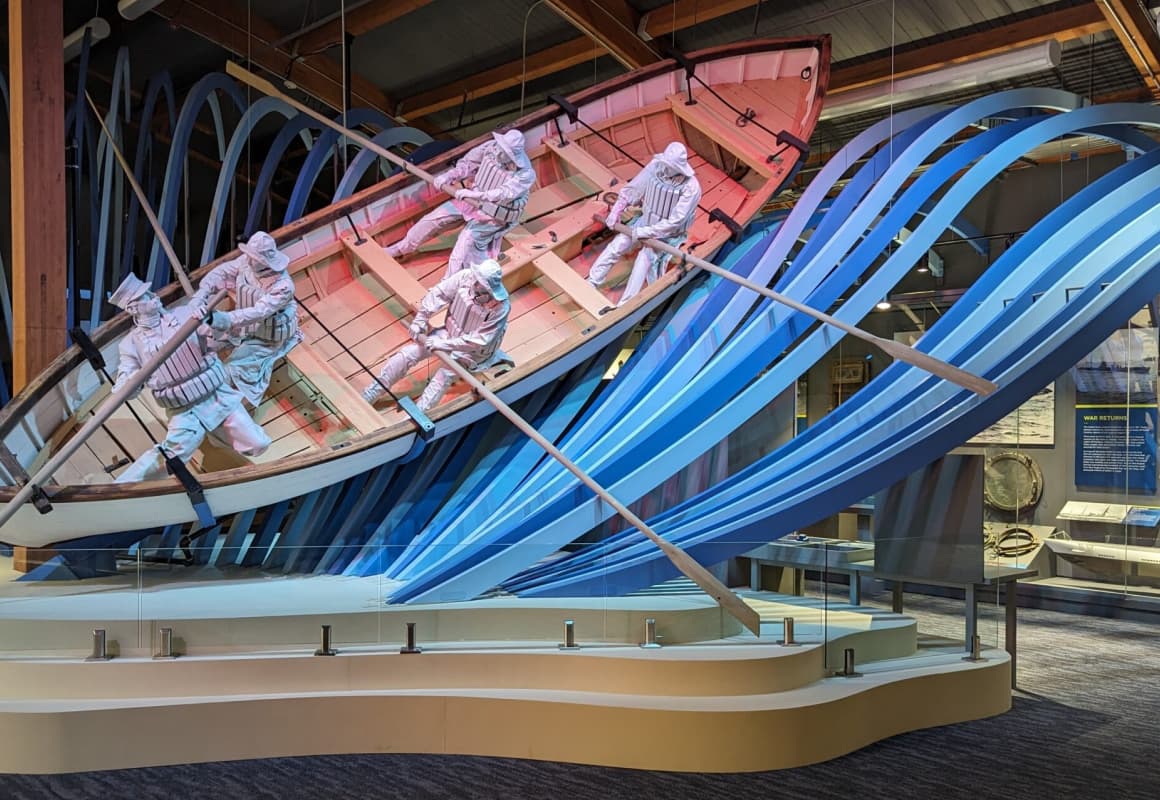
We helped bring the story to life through a digital-first approach, layering immersive media and interactive elements throughout the space. Large-scale projections, sound, and lighting recreated the intensity of the ocean, while digital experiences gave visitors a way to explore stories and artifacts at their own pace. Instead of simply reading about history, visitors could step into it.
Turning visitors into active participants
The experience was designed to be hands-on and exploratory, giving visitors more control over how they engage with the content. Interactive displays and touchscreens allowed people to dive deeper into shipwreck stories, explore underwater discoveries, and learn how artifacts are found and preserved.
These digital touchpoints made complex topics—like maritime archaeology and navigation technology—feel approachable and even fun to explore. Visitors weren’t just observing exhibits, they were interacting with them, uncovering information, and making connections on their own terms.
The result was a museum experience that is not only visually compelling but participatory and educational, ultimately increasing visitor engagement and elevating the museum’s role as both an educational and experiential destination. The result is a more engaging museum experience that encourages curiosity and keeps people exploring longer. By blending storytelling with interactive technology, the museum becomes not just a place to learn, but a place to experience maritime history in a way that feels personal and memorable.